11 agosto 2026 · 5 min di lettura
Why children listen harder when the story is about them
Parents notice it immediately: the same story, with their child's name in it, is heard differently. There is a plain mechanism behind that.
Psychologists described a simple regularity long ago: we remember better what we have connected to ourselves. A list of words that someone was asked to judge — «is this about you?» — sticks in memory far more reliably than the same list simply read through. The literature calls it the self-reference effect.
In a child the mechanism is even sharper, simply because their circle of «mine» is smaller and more clearly drawn: mum, home, a favourite cup, their own face in the mirror.
What changes in practice
- The child hears the story to the end. Attention holds not on the plot but on themselves inside it.
- They ask about what is happening instead of asking to turn the page.
- They come back to the book alone, without an adult, studying the pages and retelling them.
- Difficult subjects land more gently: saying no, making up after a quarrel, asking for help — all easier to discuss when they are the one doing it on the page.
Why a face works harder than a name
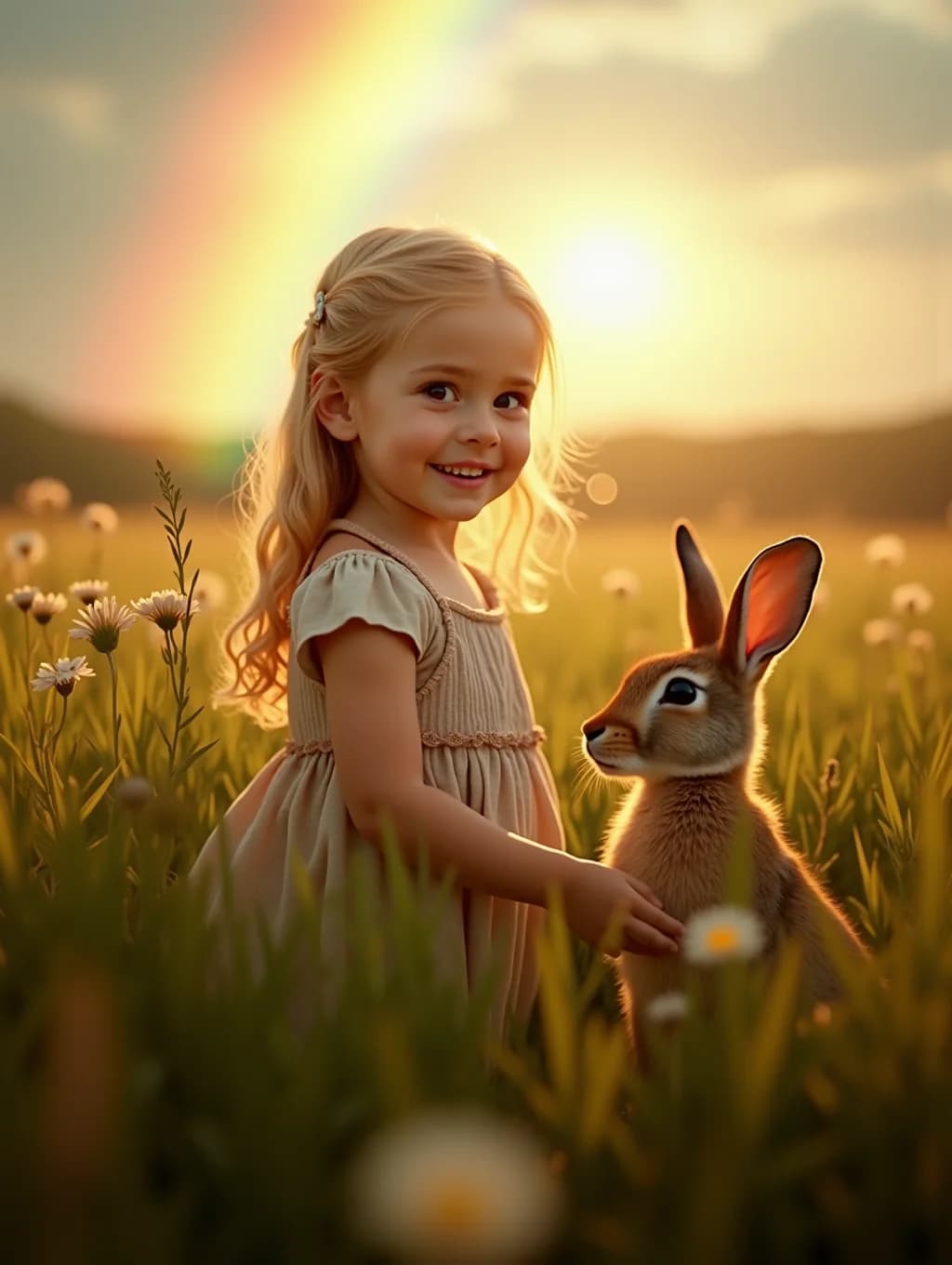
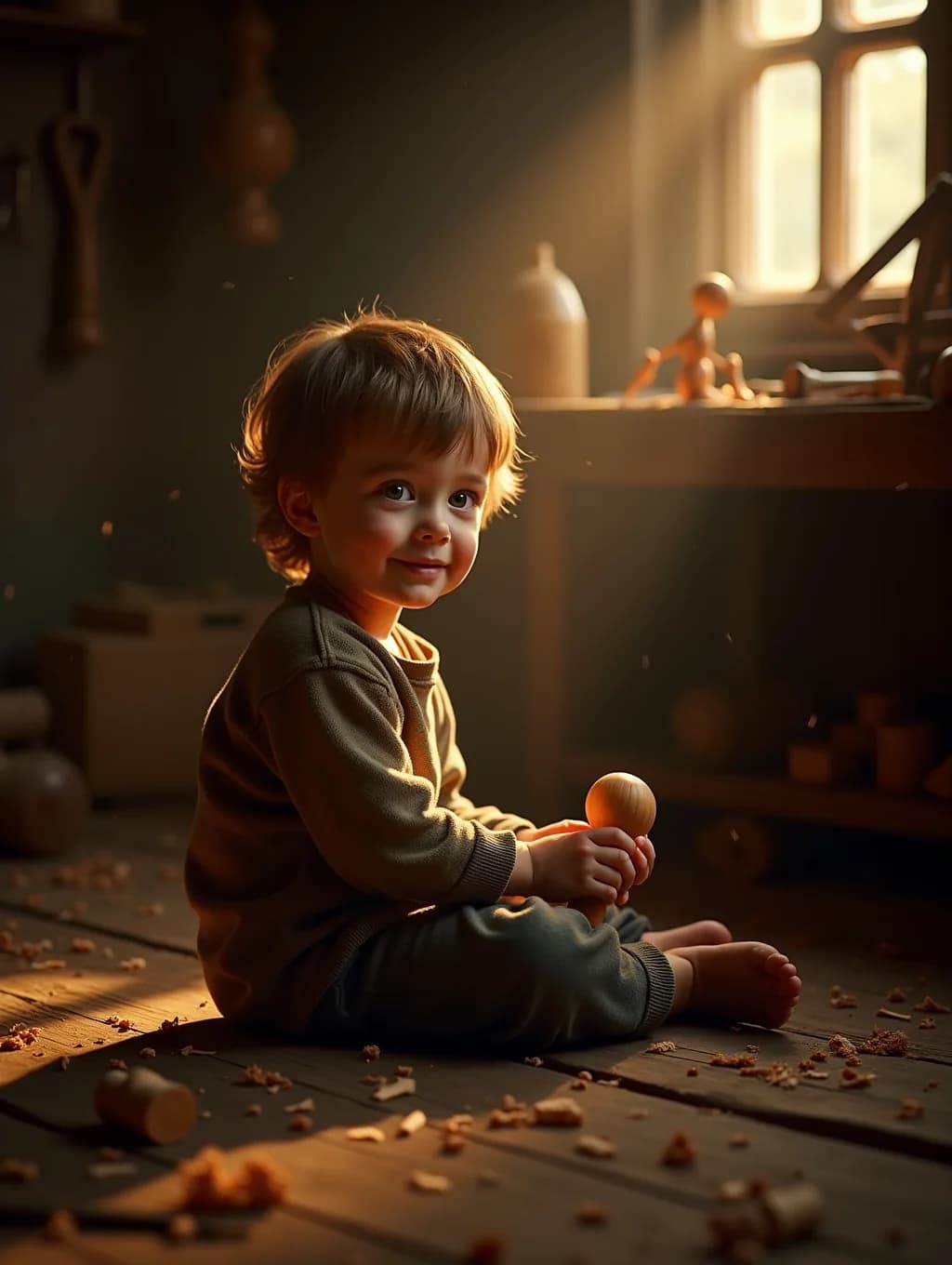
A name has to be read or heard first, then matched to oneself. A face on a picture skips that step entirely — recognition is instant and needs no language at all. That is why a book with a face works on a two-year-old who cannot read yet.
What not to expect
A personalised book will not teach reading faster and does not replace the rest of a child's library. It does one thing and does it well: it holds attention where an ordinary book loses it. For a first book, for a child who «doesn't like reading», or as a gift, that is often what matters.
A good sign: when a child points at a page and says «that's me», the book has done its job.